Someone once called Beirut the “Paris of the Middle East,” a phrase rooted in its cosmopolitan cultural life and later reinforced by moments like the introduction of its own fashion week in the 1960s. The city’s legendary nightlife had also made a name for itself over the past 20 years. There were certain expectations attached to this city. But after the political upheavals of the past few months in 2025, there was also an uneasy feeling lingering in the background.
So when the opportunity to visit arose, I must admit I was a little nervous. I called my Lebanese friends to ask. “Go, it is safe!” they said. Then, almost in the same breath, came the addendum: “But of course… you never know what might happen.” It felt like the most honest description.
So I decided to go.
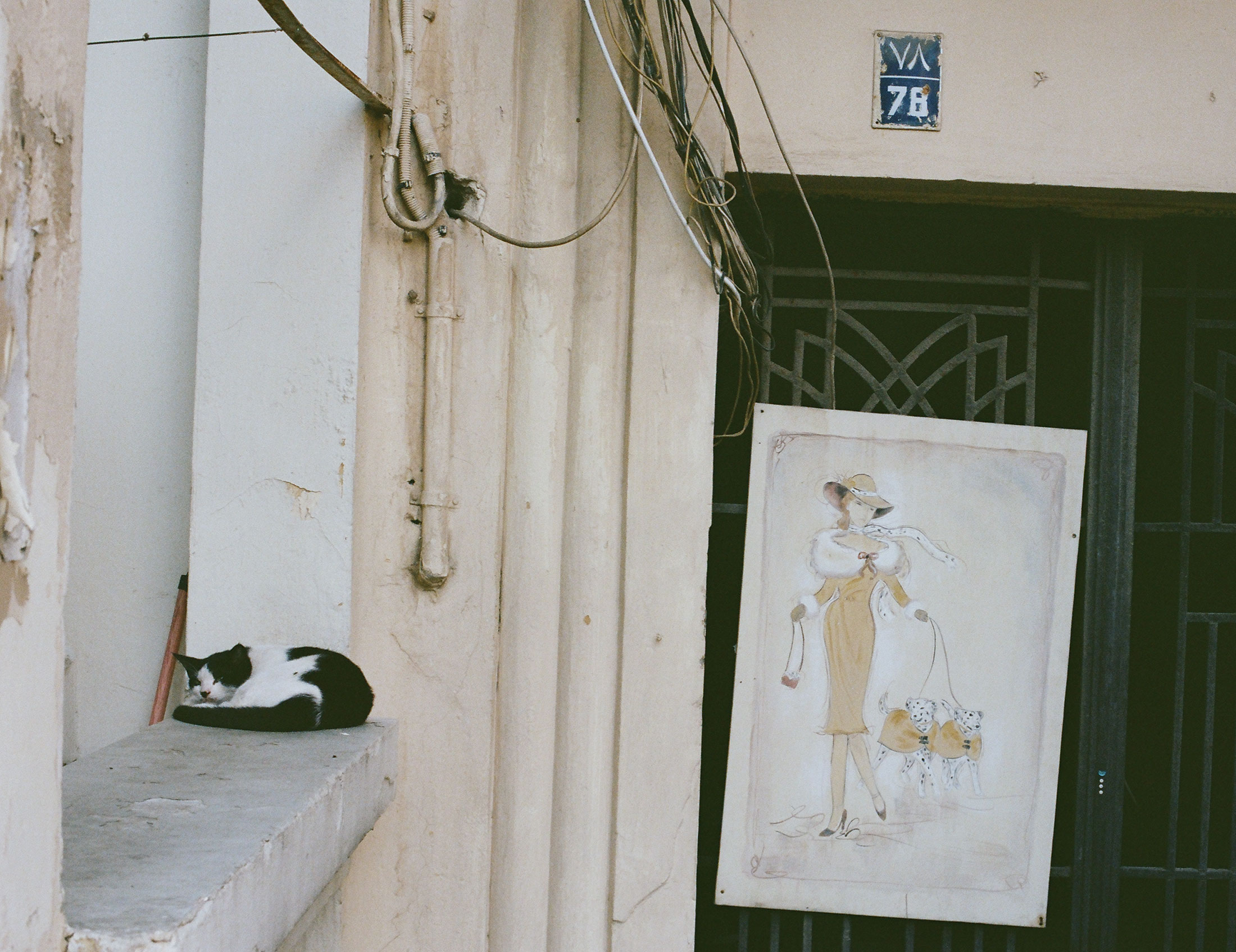
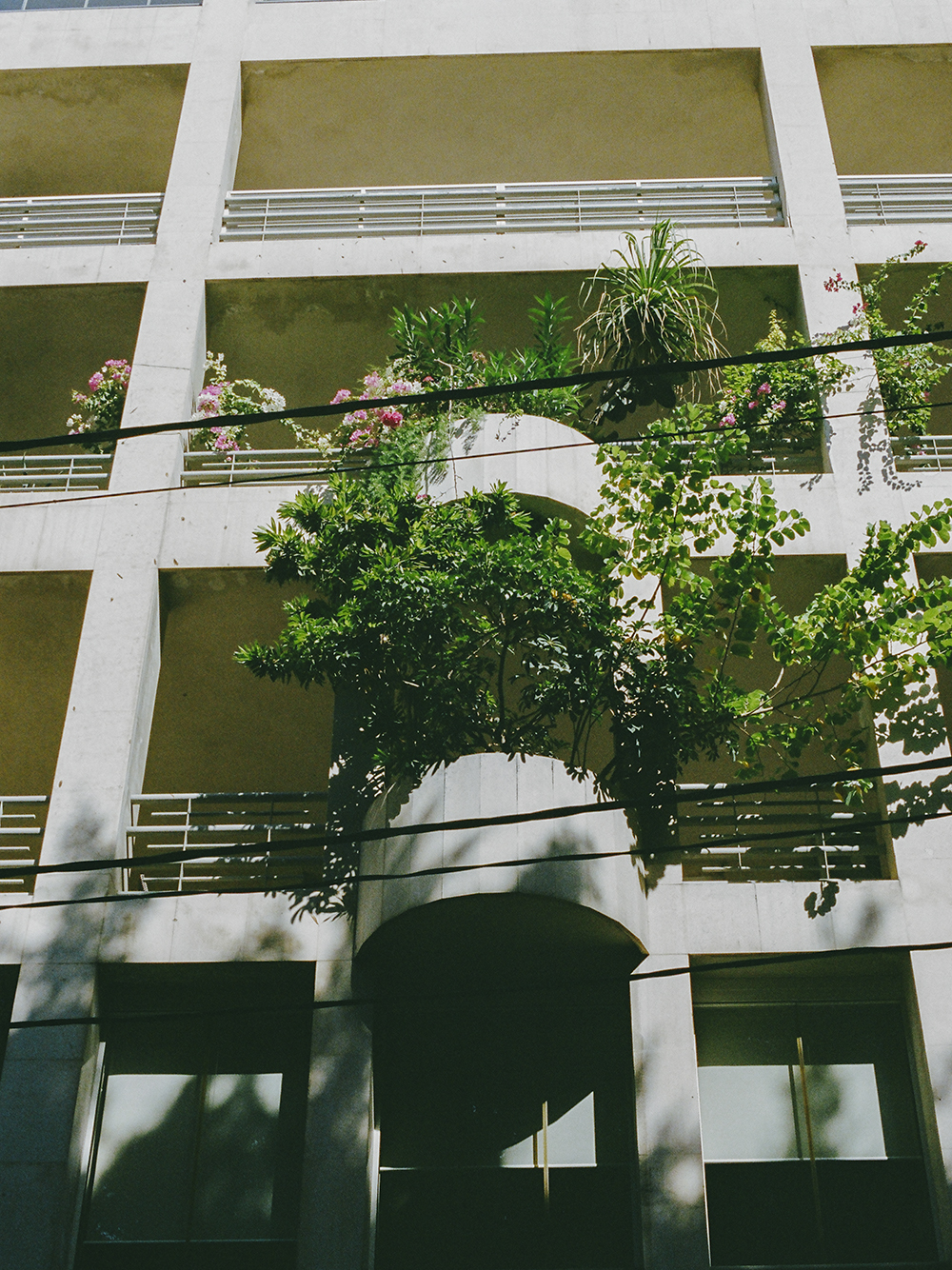
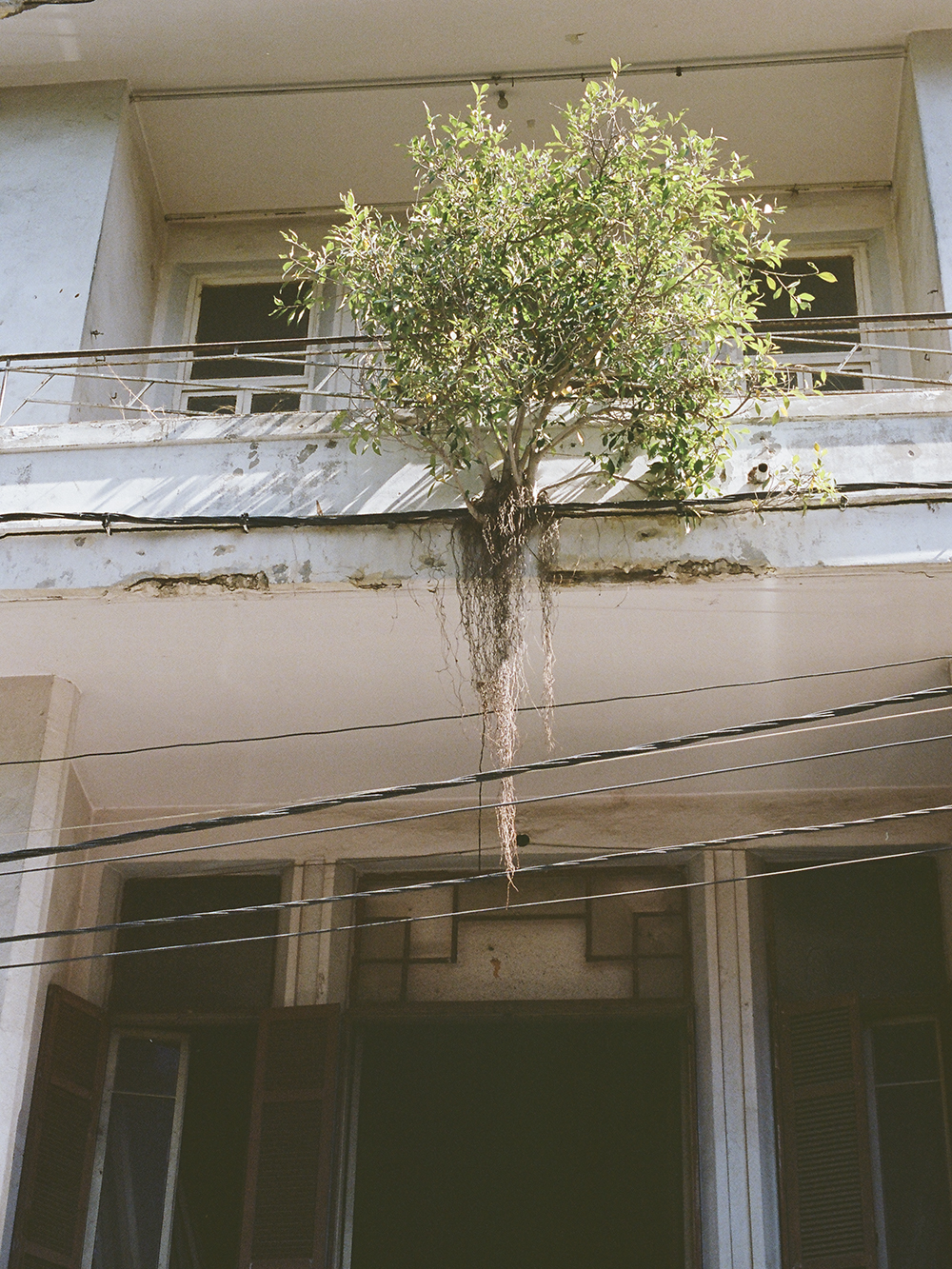
First impressions of Beirut should not be judged by its notorious traffic, which seems to obey a philosophy entirely its own. It stalls, surges, and reorganises without warning. As I’m driven toward the centre, I begin to sense a particular energy that feels strangely familiar to a Greek — a boundless, charming chaos stitched together from mismatched architectural styles and a web of tangled electricity wires.
Wars, earthquakes, disasters, conflicts and fires have repeatedly destroyed Beirut over its 5,000-year history. Nevertheless, the city has remained alive, its inhabitants love it, and it continues to be the cultural centre of the eastern Mediterranean.
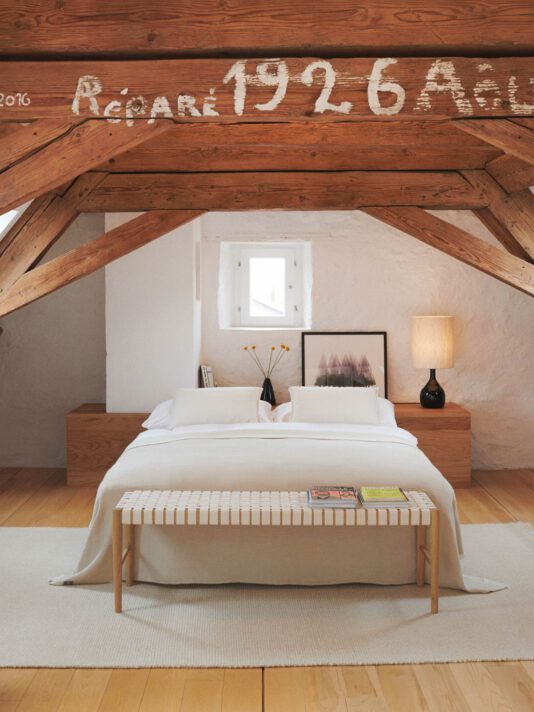
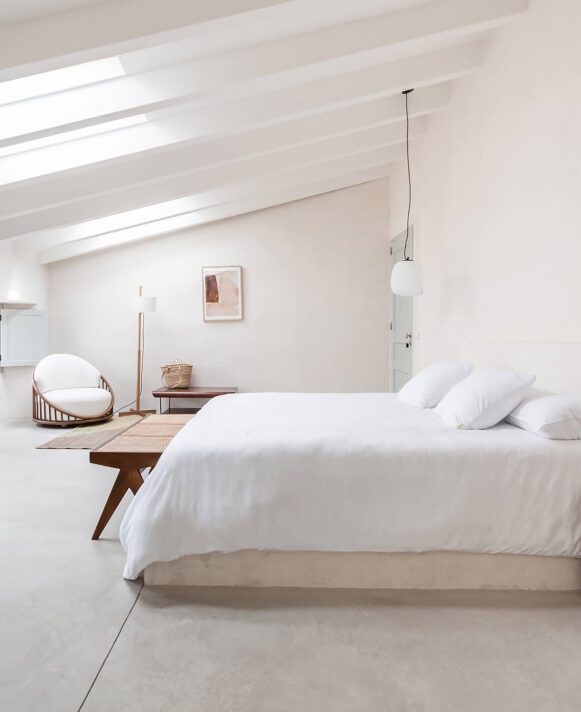
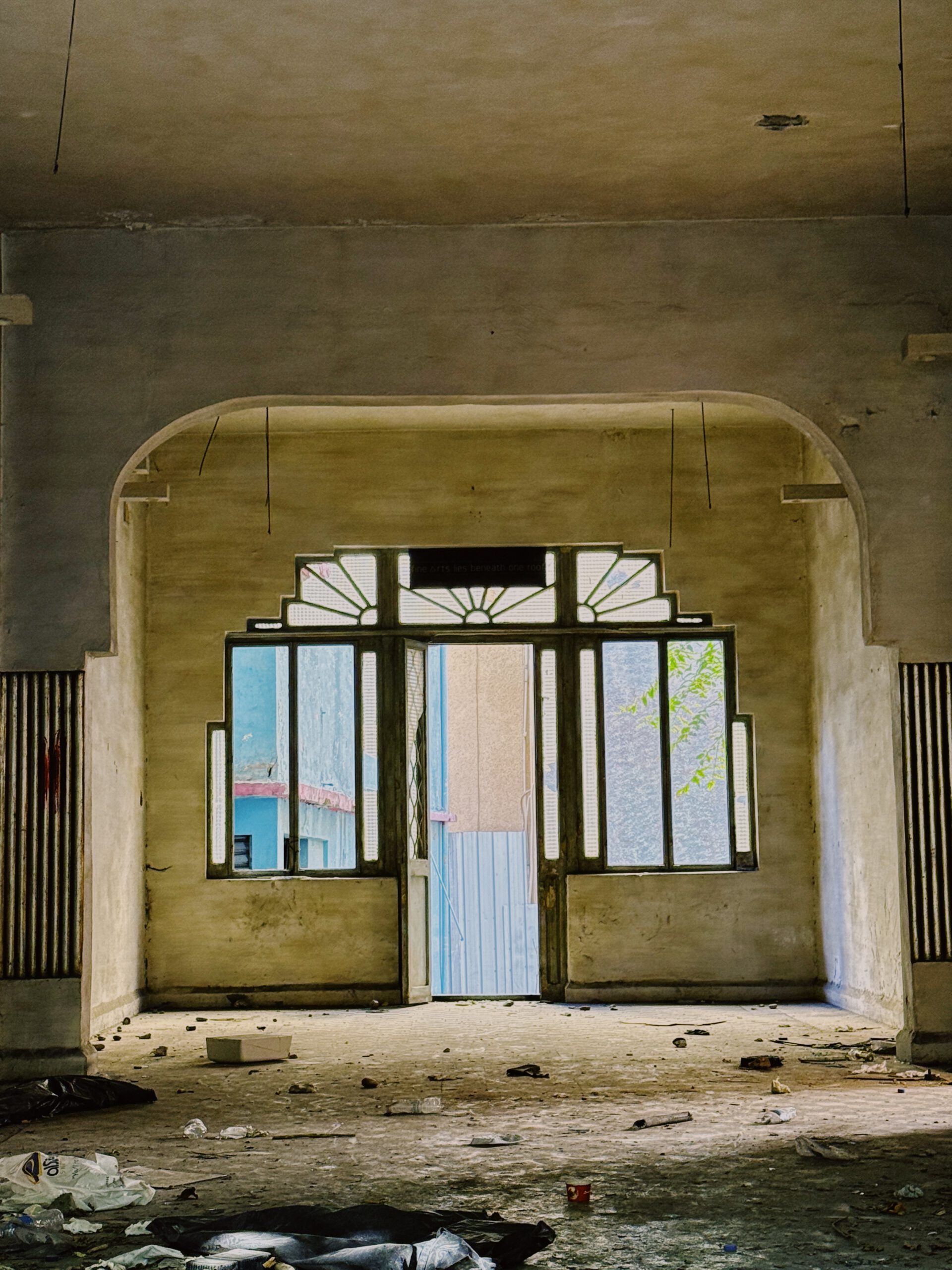
I am dropped off in the bohemian neighbourhood of Gemmayzeh, where my accommodation hides behind an inconspicuous door. Amid Art Deco remnants and French colonial façades, I climb up to Beit Tamanna, a quietly beautiful guesthouse run by a welcoming team with a clear social purpose. Each of its eight rooms has been voluntarily conceived by a contemporary architect or designer, and all proceeds go to charity. It feels deeply right to stay in a place so rooted in giving, especially in a country that has learned to survive through collective care.
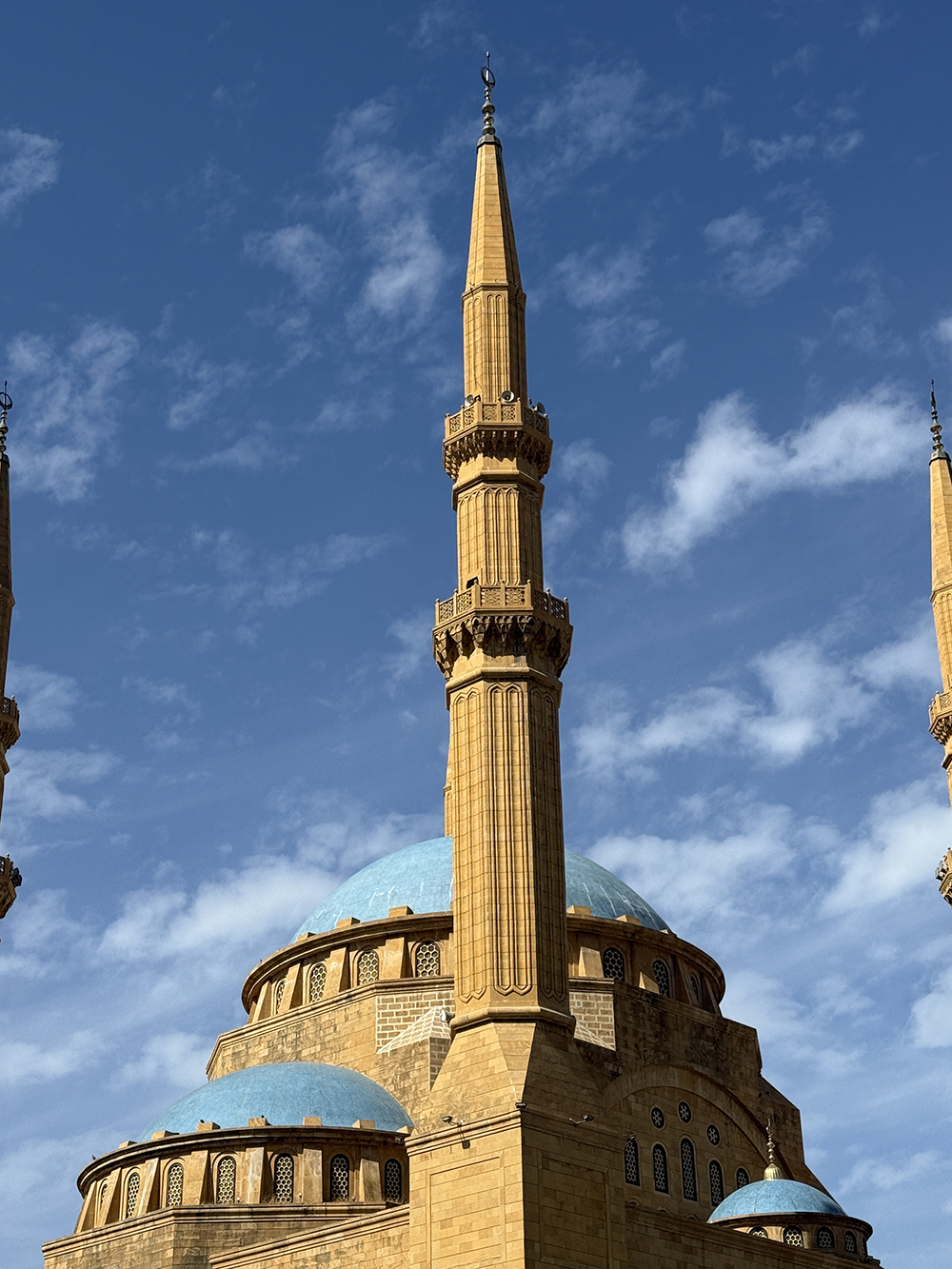
Over a bountiful breakfast of multiple rounds of markouk dipped in labneh, I set off on foot. This metropolis with its roughly 2.5 million inhabitants reveals itself in layers. I move from one neighbourhood to the next and feel the shifts. What strikes me most are the multi-faith mosaics — churches, mosques, and shrines — existing side by side within the same dense urban fabric. In Gemmayzeh, vintage shops sit between crumbling façades and freshly painted cafés, while fitness studios and matcha lattes sit alongside mini-markets that double as currency-exchange kiosks. I quickly realise that dollars go a long way here, and there is little need to exchange into the lira.

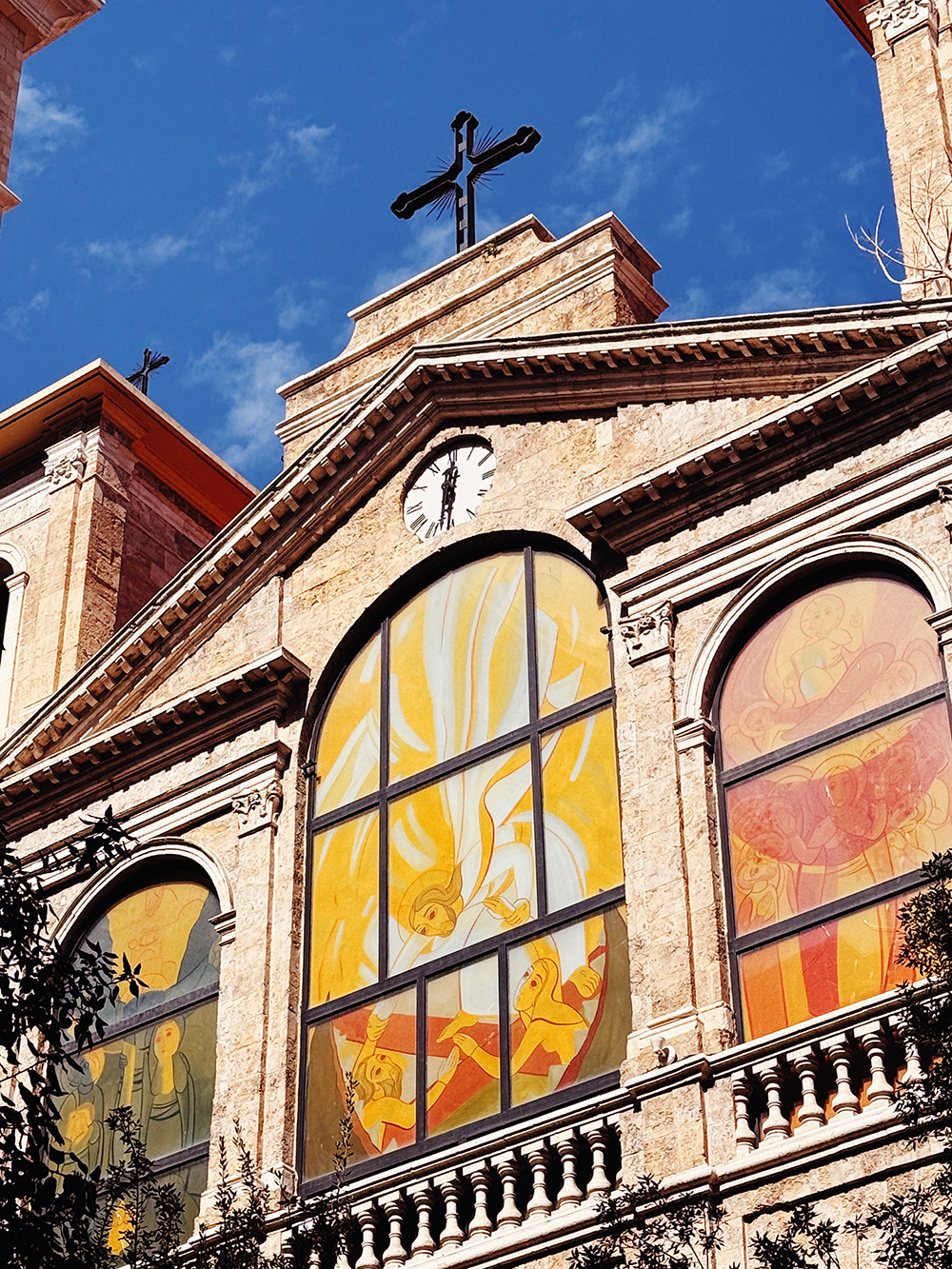
Nearby, in picturesque Achrafieh, I stroll past vine-covered Ottoman-era palaces pressed tightly against new developments. I’m here for a studio visit with artist Hady Sy. Born in Beirut to a Lebanese mother and a Senegalese father, his space feels like a portal into a long-standing exploration of war, capitalism, and humanity through layered mixed-media installations. He tells me Beirut is the only place where he can truly realise his large-scale works — like his landmark piece in Martyrs’ Square.
The day is still young and the sun surprisingly strong, even though it’s mid-October. I can hear the drones hovering above me, but I am reassured it’s nothing to worry about for the moment. I take the locals’ word and step into the cool calm of the Sursock Museum — an ex-palatial villa now showcasing some of the most significant voices in Middle Eastern contemporary art. For lunch, I follow another local recommendation to Em Sherif. Lebanese food is deeply gratifying and ceremonial; every dish arrives with its own constellation of dips, flatbreads, and herbs. I try kibbeh nayeh for the first time — the Levantine version of beef tartare — and it’s an experience. For afternoon coffee, I slip into the lobby of the Albergo Hotel, one of the city’s most stylish hideaways.
My travels coincide with We Design Beirut, the city’s annual festival celebrating contemporary design, architecture, and craft. There is far too much to see, yet one thing becomes clear: Beirut is defiantly alive — in the most stubborn and creative way possible. It does not deny its fractures; it simply lives alongside them. I sense it in the fervour of the festival and its local participants, occupying historically charged spaces with new ideas. I stop by the Roman Baths and several temporary installations scattered across the urban core.
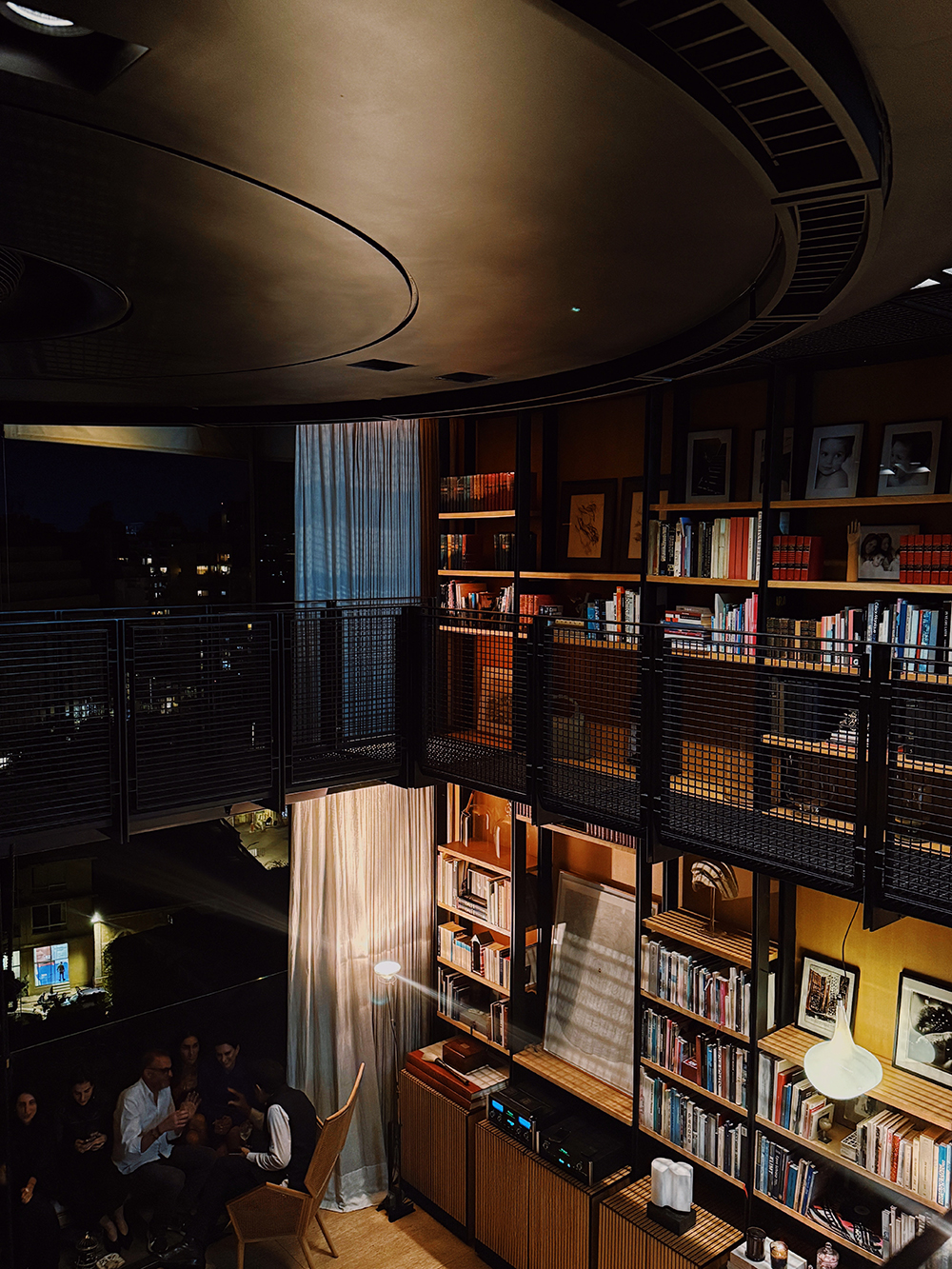
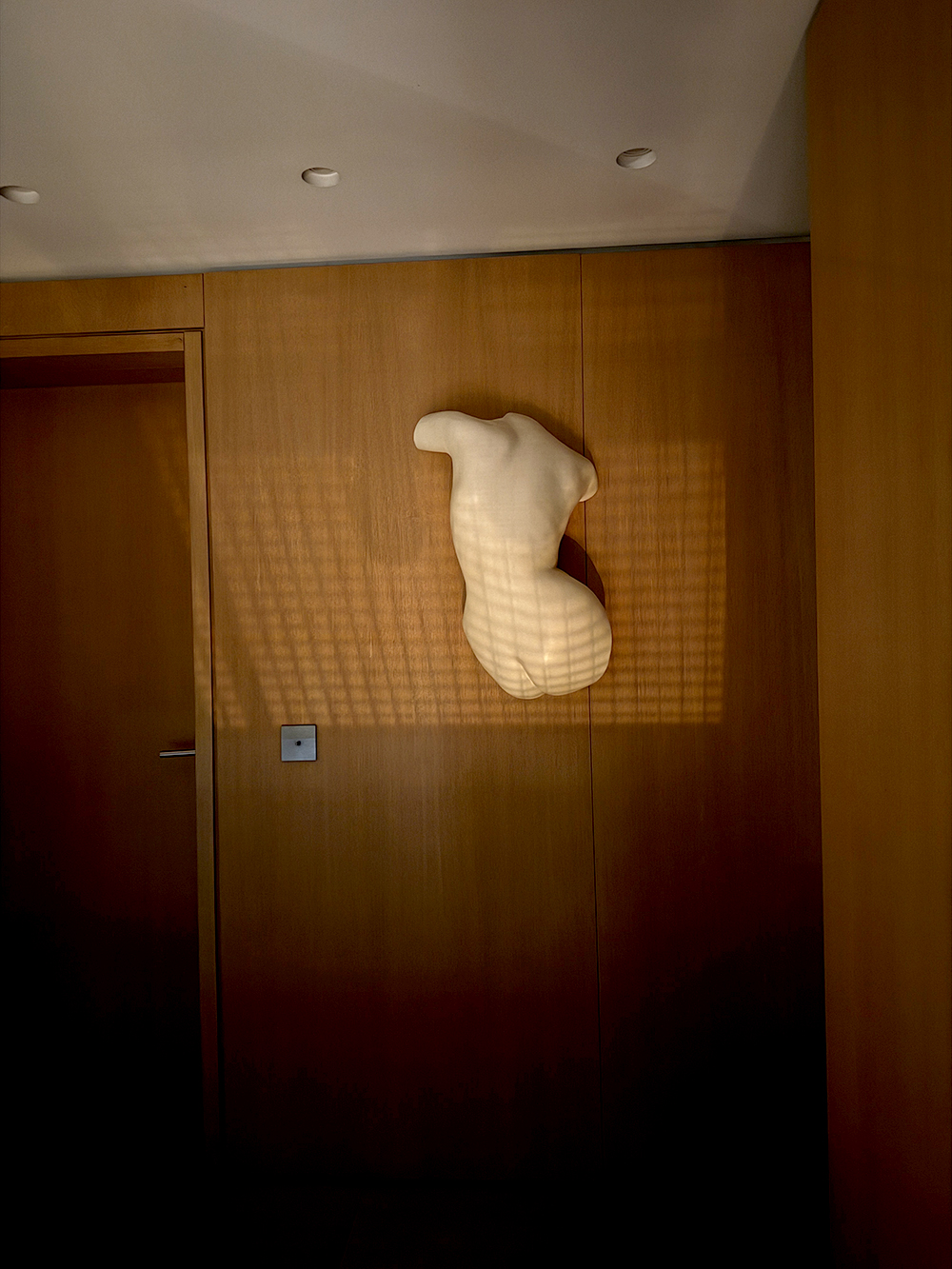
By now, I’m deeply attuned to the typology of the city and opt to attend the open-house programme, including a visit to the legendary residence of Bernard Khoury, one of Lebanon’s most distinctive contemporary architectural voices (younger people in Beirut know him because he created the legendary nightclub BO18). His brutalist, noir-toned living room, lined with soaring glass windows, confronts the city’s fractured horizon of contradictions. “When you look at the city from above,” he says, “its buildings resemble a bunch of people who don’t speak to each other.”
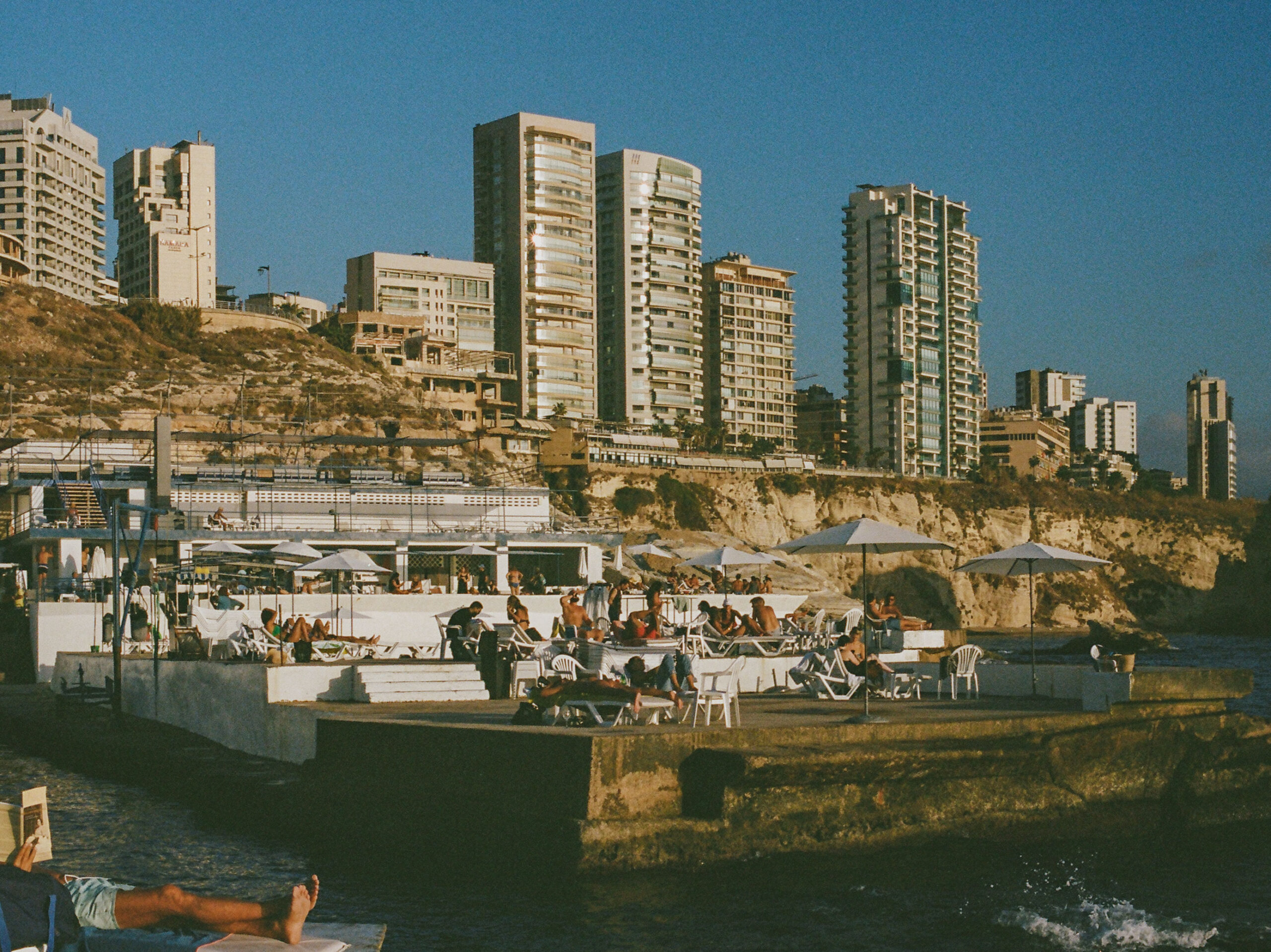
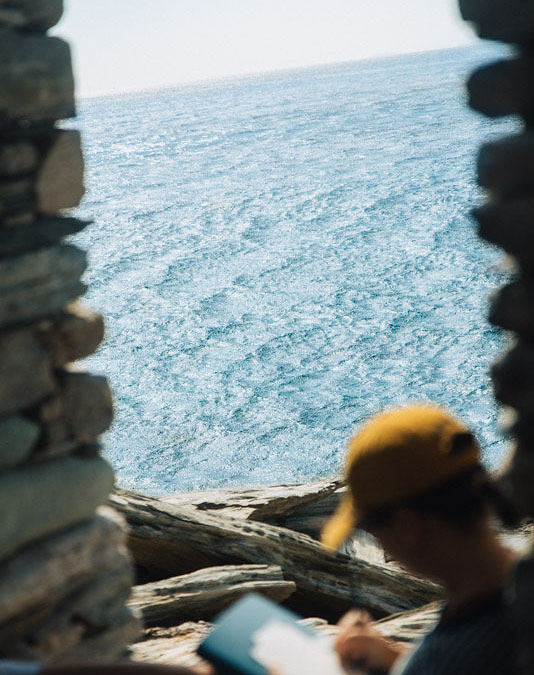
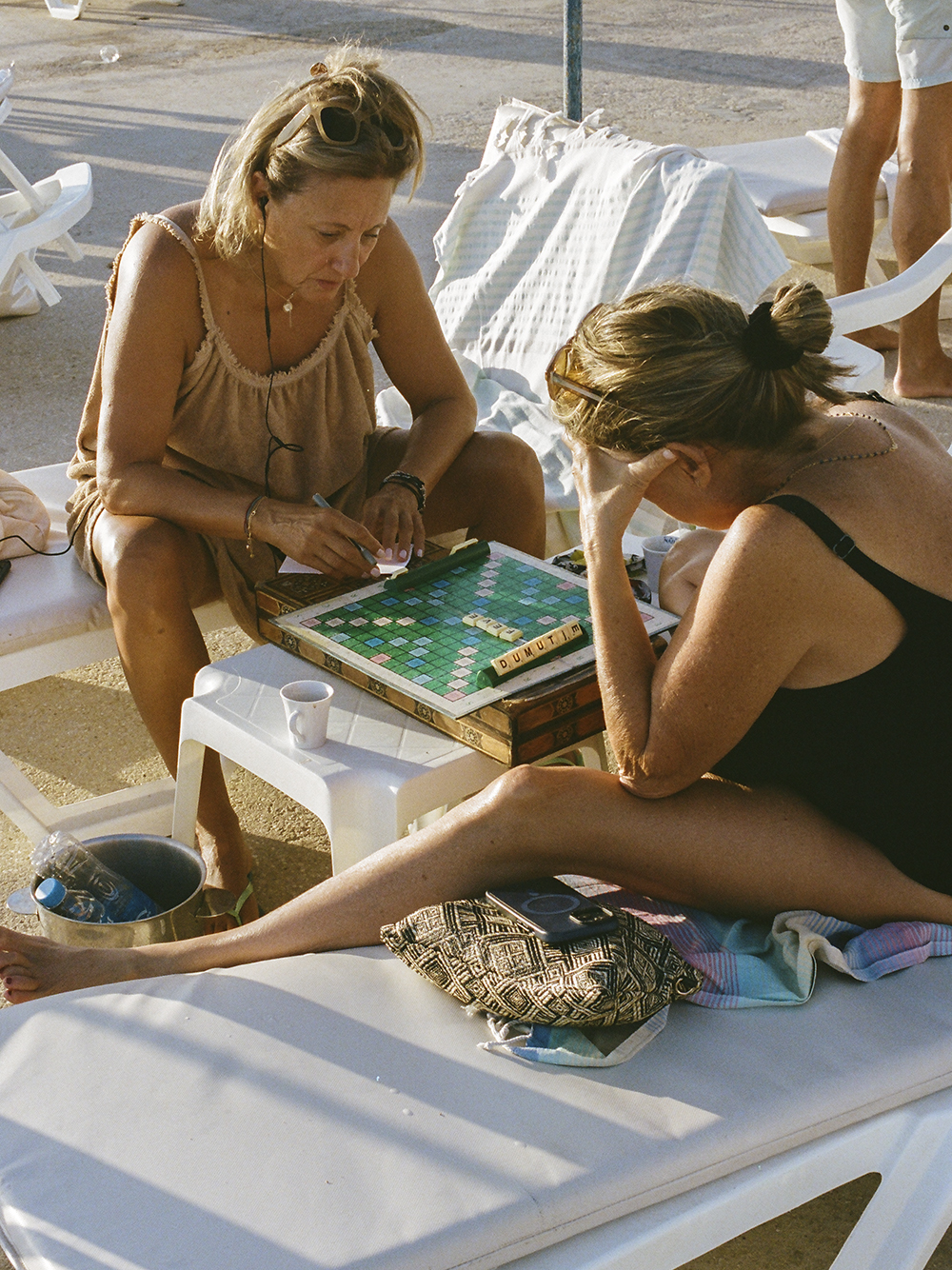
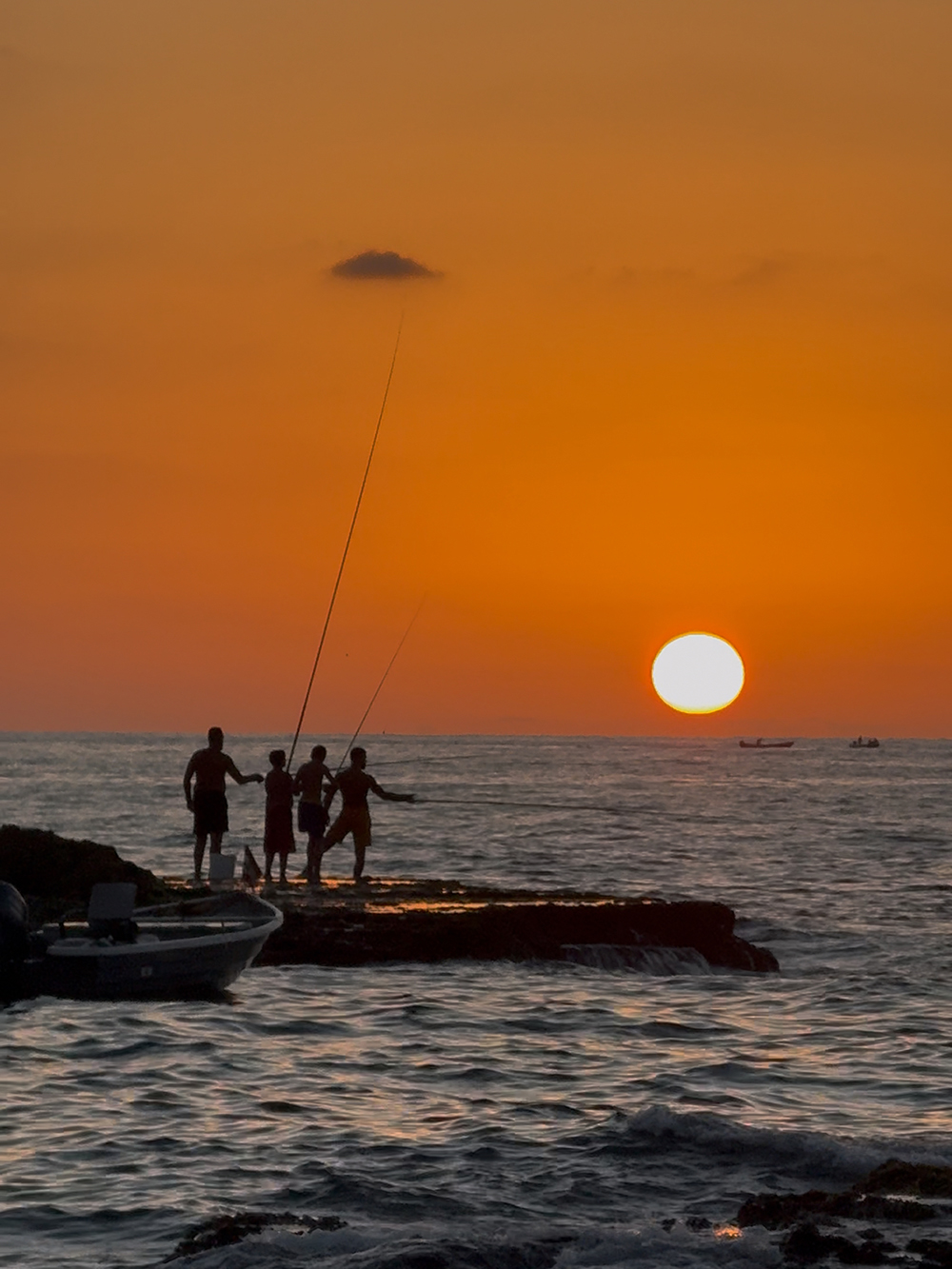
Still, I catch glimmers of the sea — and I crave it. The Sporting Beach Club is the place to go if time doesn’t allow for an escape to picturesque Byblos or further north into the country’s pine-covered mountains. Built in the 1950s, the club carries the allure of a long-forgotten charm. People are everywhere, soaking up the last warm days of the season. I grab a beer and a box of deliciously fried birzi (little fried fish with coriander and salt) and settle onto a lounger to take it all in. The Raouché Rocks — the Pigeon Rocks — stand firm against time itself, while glassy new towers climb skyward behind them.
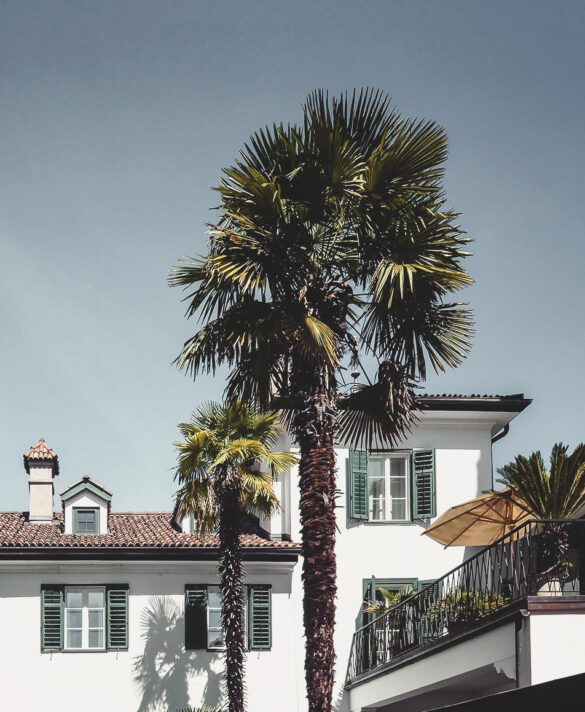
As night falls, I decide not to get stuck in traffic and take the long walk home. An endless, kilometre-long promenade lined with palm trees becomes a gentle meditation of people-watching — all ages, shapes, rhythms. I arrive, tired but content, in Saifi Village, where my friends own the elegant Villa Clara, a French-inspired bistro helmed by chef Olivier Gougeon and his partner Marie-Hélène. The couple also runs a beautiful six-room boutique villa of the same name on the Greek island of Leros, where I once spent my most memorable summer days in the warmth of their hospitality. They will soon become a member of Pretty Hôtels.
It’s almost midnight, but I still stop by my new favourite bar, Dragonfly, for a nightcap — a “doudou” shot.
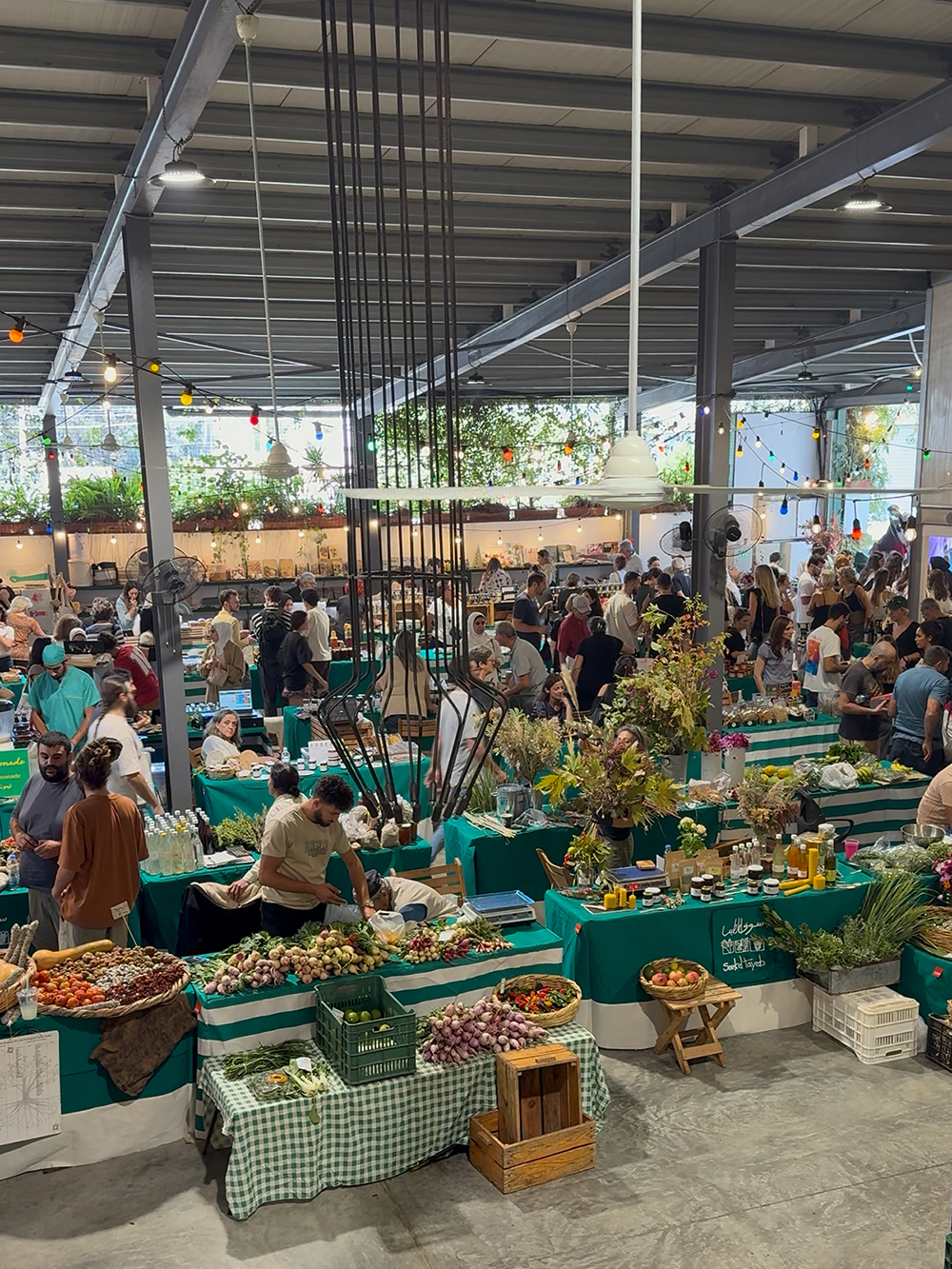
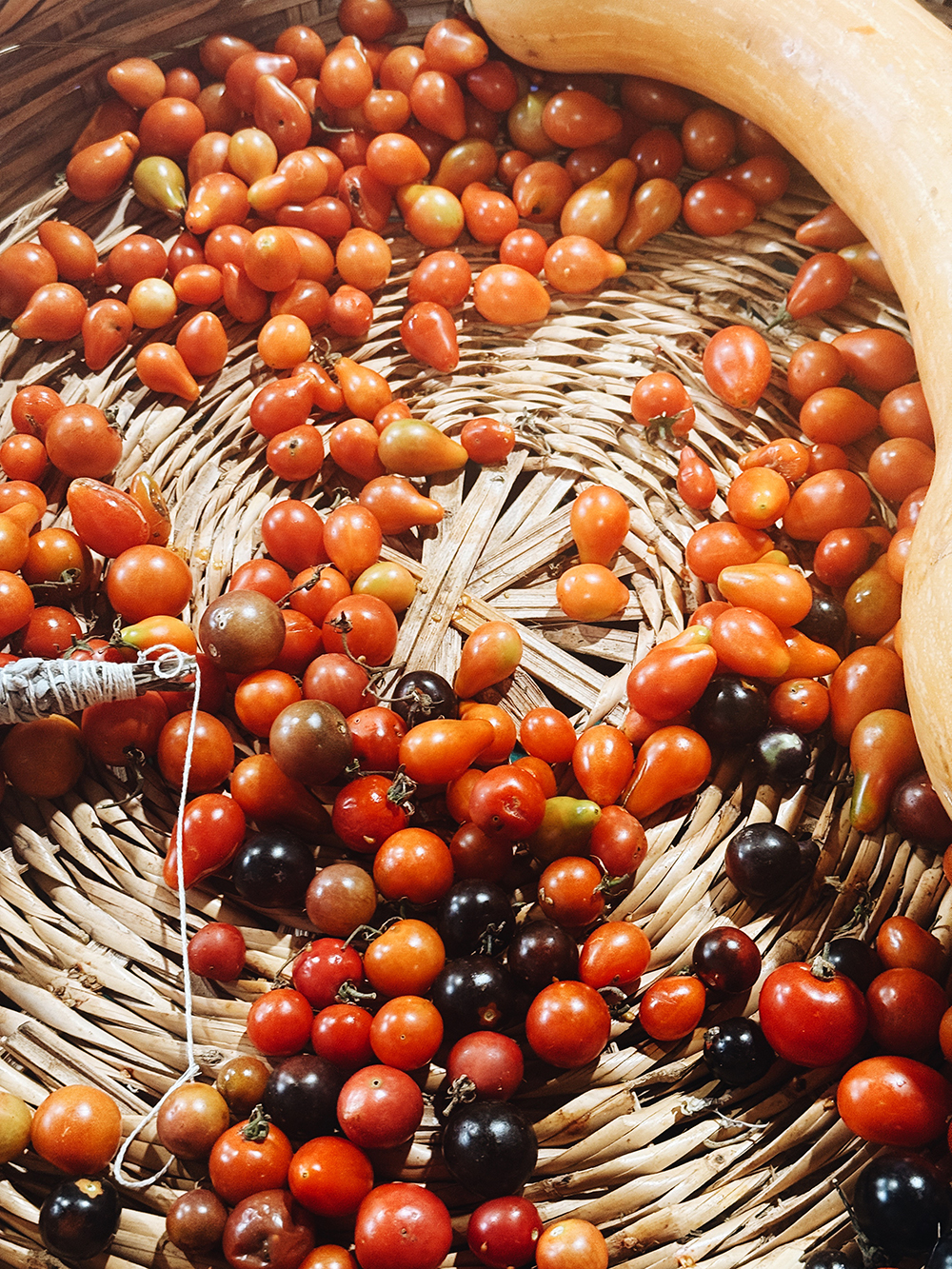
Saturday is my last day. I follow the scent of herbs and citrus to Souk el Tayeb, a weekly farmers’ market in Mar Mikhael. It’s a lively gathering of small-scale producers offering organic produce, Lebanese specialties like manakish, sweet figs dipped in za’atar, and homemade sharbet ward — a traditional rose-water cordial.
Satiated from the snack tastings, I walk toward the port district to visit Marfa’ Contemporary, catching one last pulse of Beirut’s art scene. Nearby, the long-established Sfeir-Semler Gallery presents heavyweight names of contemporary art. On my way back, I think about how culture here is insistently forged from grit — and how I’ve grown to love the people, their warmth, and their inspiring resilience.
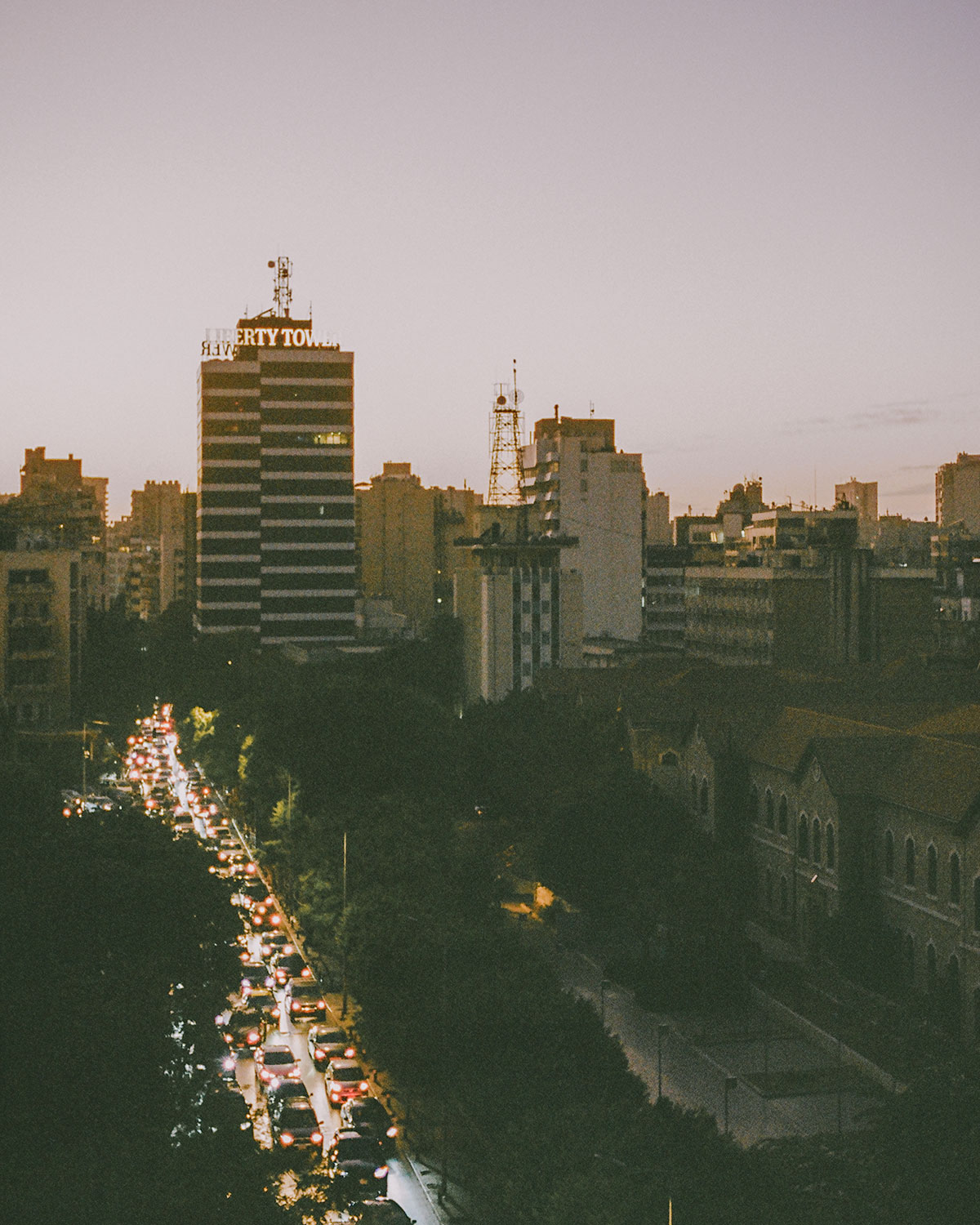
It’s my final chance to see the city from above. I’m told it’s cocktail hour for design week at Immeuble de l’Union, a modernist landmark in perpetual transformation, and that’s where I head. From its unfinished top floor, I watch the sun sink into the urban sprawl. The skyline’s beauty and brutality are intertwined. A neon sign flickers above a skyscraper — LIBERTY TOWER — an oxymoron for a jewel city forever suspended between tension and light.
Text & Photos from our ambassador in Greece, Eftihia Stefanidi – ©Eftihia