Where are we?
We’re in Millau, in the Aveyron department of the Occitanie region, about an hour and 20 minutes north of Montpellier. The French have long known Millau as a weekend escape, a place for kayaking, for paragliding off 1,600-meter peaks, for exploring dramatic gorges and caves. Others recognize it from the evening news: in 2004, the town became home to a rather spectacular piece of engineering. The Millau Viaduct is the tallest bridge in the world: At its highest point, above pier P2, it rises 343 meters (1,125 feet), taller than the Eiffel Tower.
The Couvent
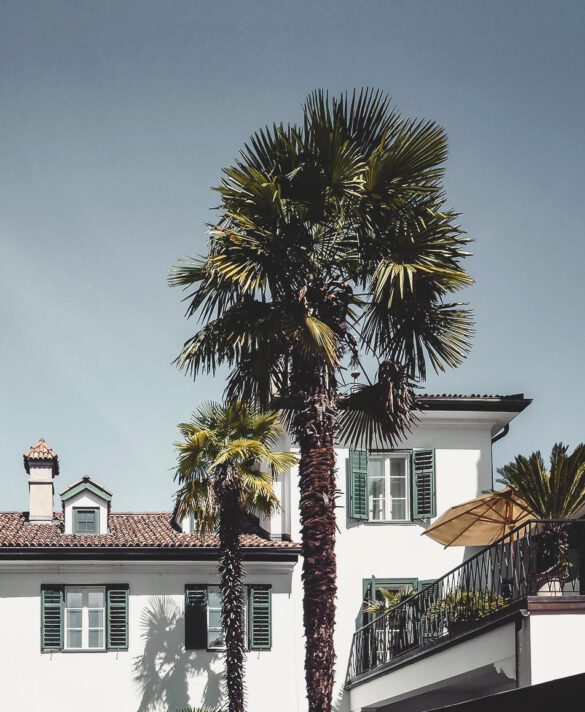
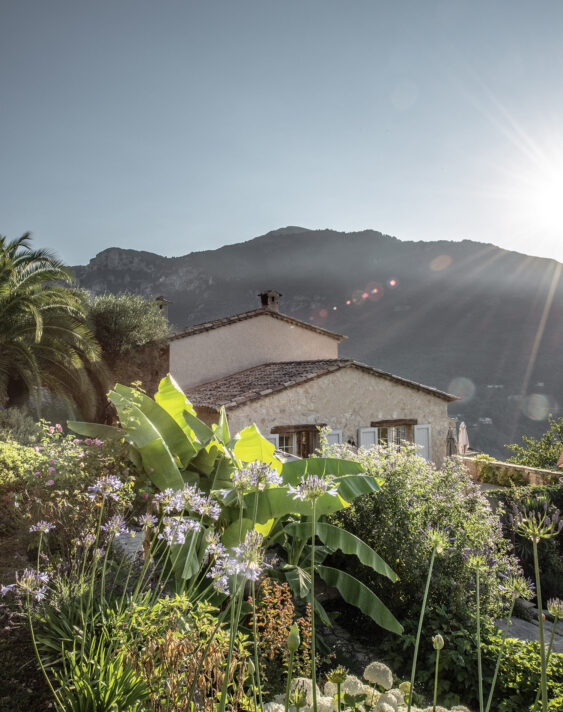
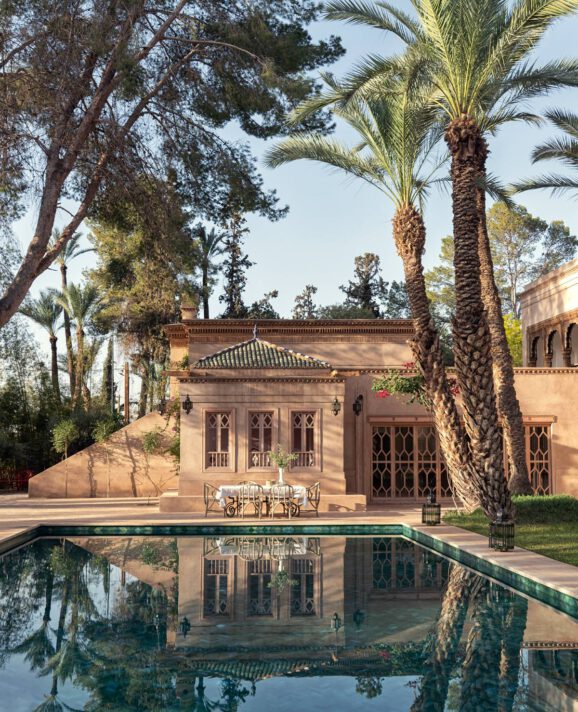
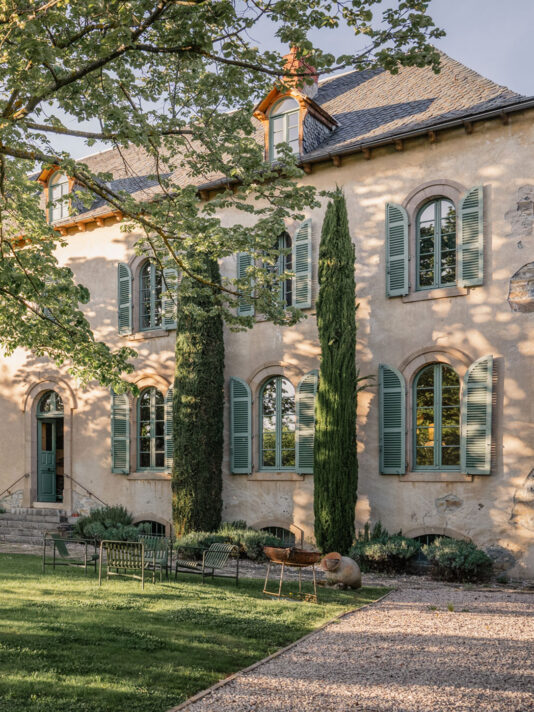
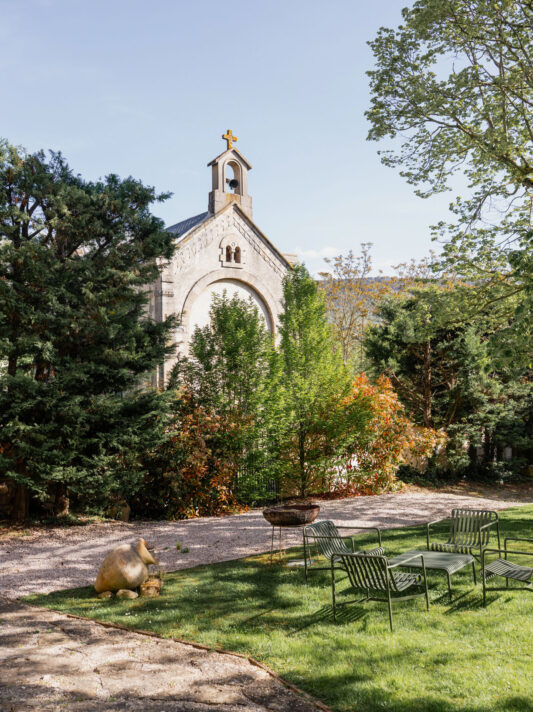
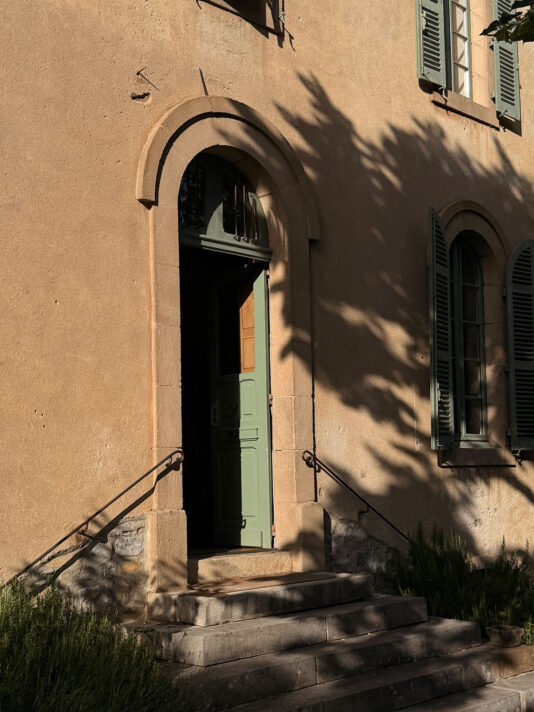
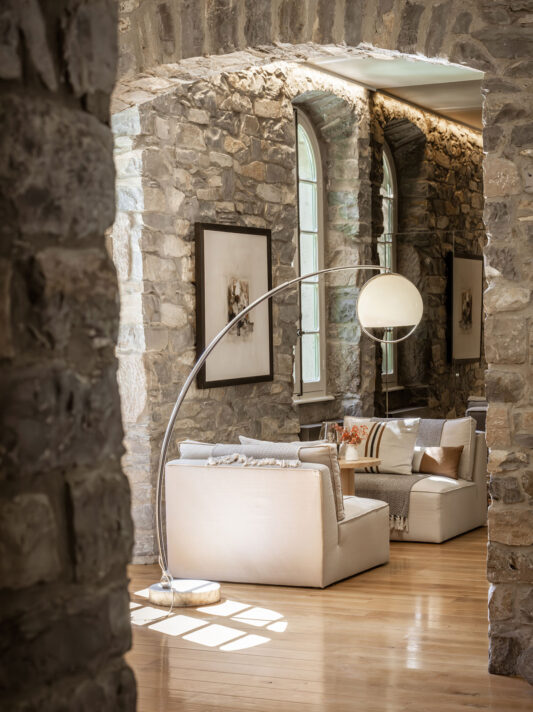
We haven’t come for the bridge, though. We’ve come to see Stéphanie, and her extraordinary Couvent de la Salette. Set back a little from the town center, along the river, the entrance reveals itself almost shyly. A wrought-iron gate swings open onto a garden you fall for instantly. Here’s what is worth knowing up front: The host grew up in this house. The former convent was her childhood home. It’s been renovated since, of course, but something of that history lingers. There is an energy in the walls that’s hard to name but impossible to miss. You walk through an entrance hall hung with art and out into the garden, where a few young guests are reading by the pool, letting the sun do its work. Check in here, and you’re family within minutes. It’s a lovely thing to witness.
The building itself dates to the end of the 19th century, around 1896, built to house missionary sisters of the Congrégation Notre-Dame d’Afrique during their postulancy. Stéphanie spent years in Paris, working for a respected French magazine covering the art and auction world, moving in circles of serious collectors. That history explains the art scattered throughout the house today – pieces that fit the building’s character in a way that’s difficult to articulate but somehow exactly right.
Rooms & Suites
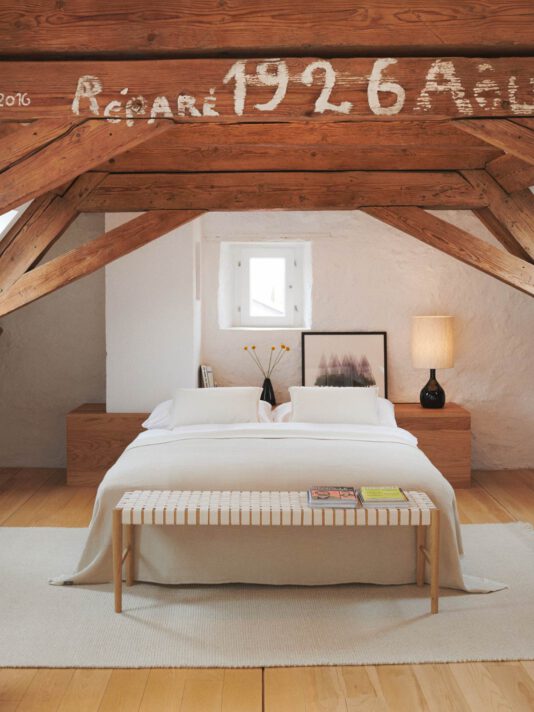
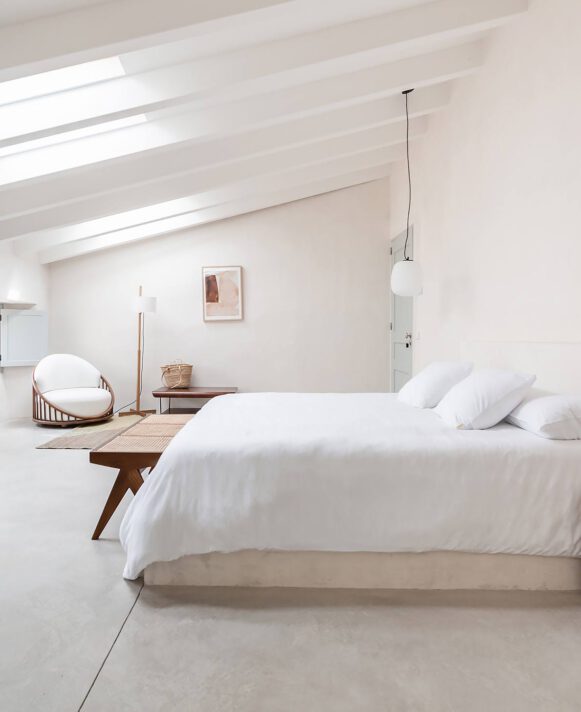
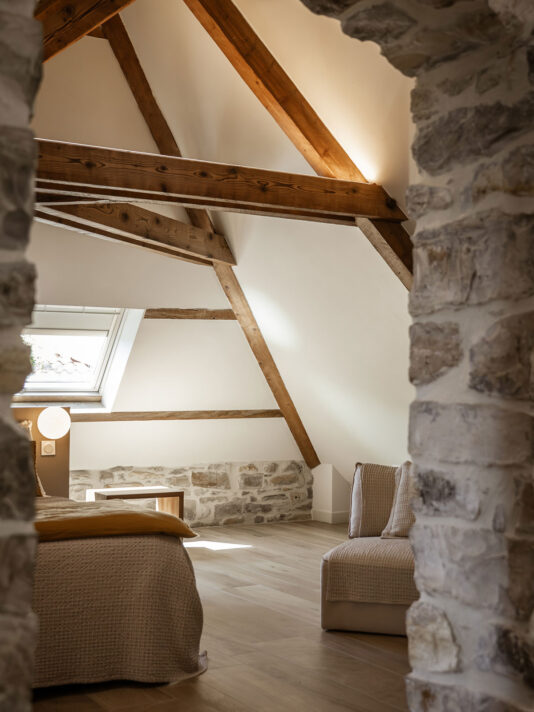
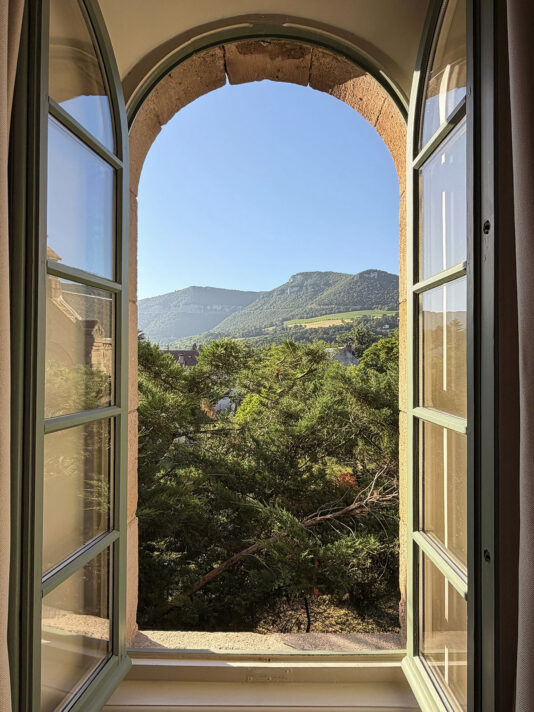
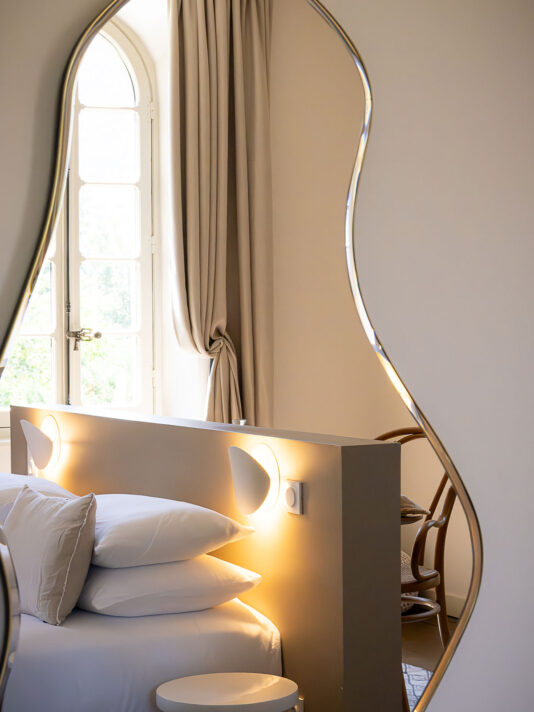
The four rooms and two suites are named after a mineral collection assembled by Stéphanie’s father, Bruno, each taking on the name, color and quiet energy of a stone: Tourmaline, Opale, Célestine, Améthyste. The four rooms on the second floor are generous, averaging about 40 square meters (430 square feet), and look out toward the surrounding mountains. In the evening, sunlight slips through the windows and settles across the bed. It’s a lovely way to end a day.
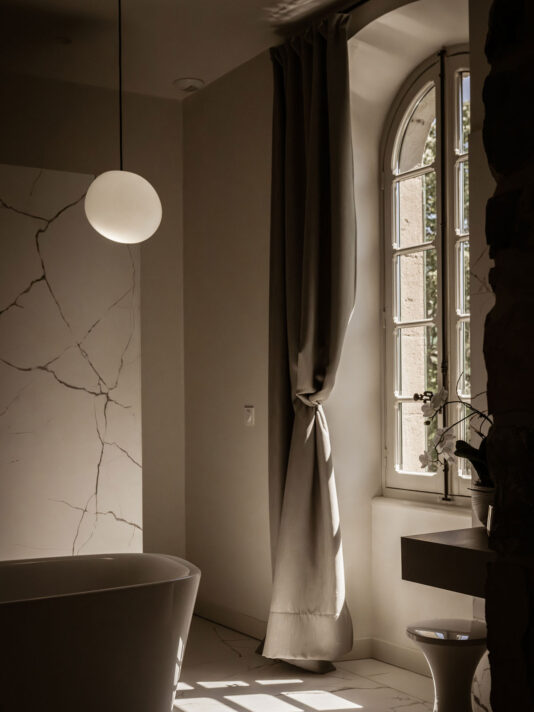
The two suites on the top floor are designed to be taken together by a family or a group of friends, with a connecting door between them. Their bathrooms are enormous, practically rooms of their own, with freestanding tubs and lounge areas. Understated luxury, well judged. Even the air-conditioning, a small detail that matters, has been built discreetly into the rooms, unobtrusive and nearly silent.
Breakfast & Honesty Bar
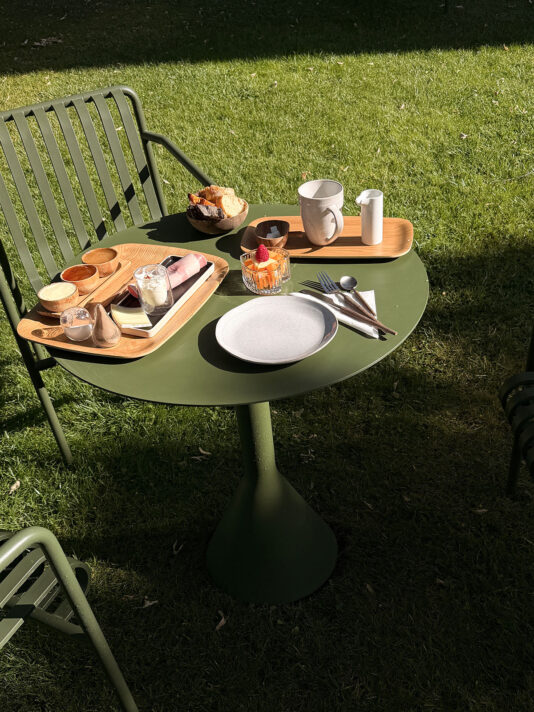
Breakfast is served each morning, sweet or savory as you choose the evening before, made with products from local producers. Depending on the weather, it’s taken in the breakfast room, the dining room, or outside, where the sun moves slowly around the house and turns the garden into something closer to a park. During the day, until 8:30 p.m., Stéphanie and her assistant are usually around and happy to help with drinks, coffee or whatever you need. Fancy a drink after dinner? There is an honesty bar.
Wellness
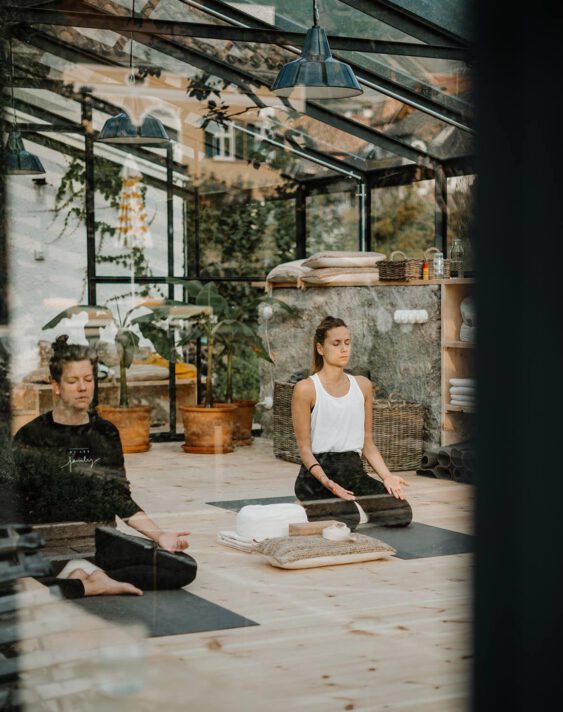
Downstairs, Stéphanie has built a proper spa: an indoor pool with a counter-current system, a whirlpool, a sauna, a hammam and a quiet room with a flotation bed for deep relaxation. Massages can be arranged on request. Access costs extra, but the space is then yours alone.
Surroundings
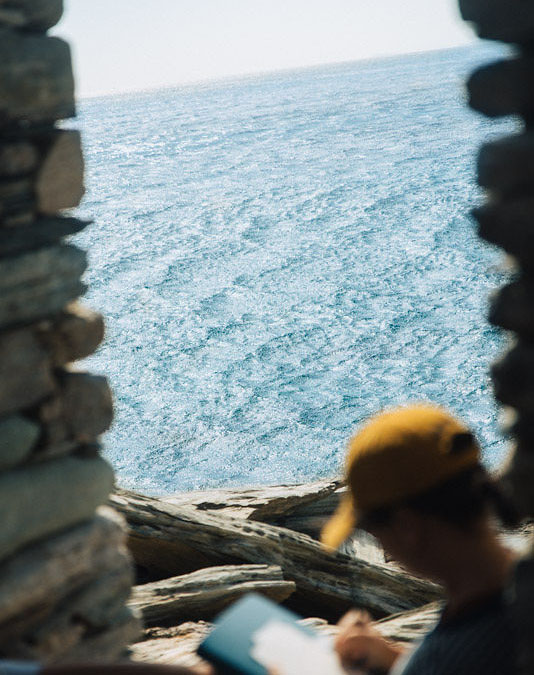
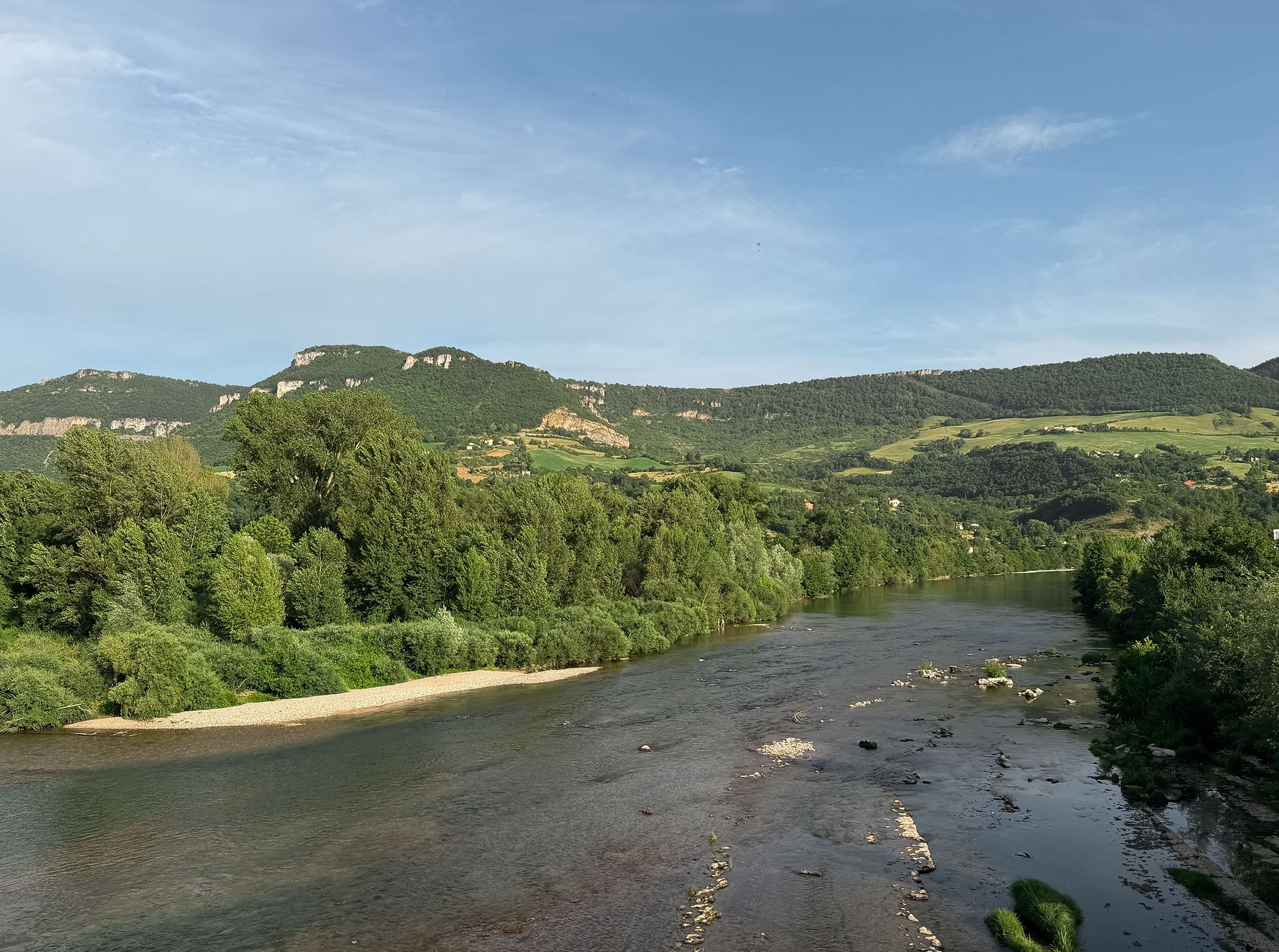
As mentioned, Millau is one of France’s best-known outdoor destinations. Set where the Dourbie meets the Tarn, surrounded by the limestone plateaus and gorges known as the Causses, the town is a hot spot for paragliding, considered among the best in Europe thanks to the thermals rising off the Causses. Look up on any clear day and you’ll see wings drifting over the town. Beyond that: canyoning in the nearby gorges, kayaking on the Tarn and Dourbie or simply settling by the river for a swim. Climbers, too, come for the limestone cliffs of the gorges.
The region’s highest peak, Mont Aigoual, rises to 1,567 meters. On a clear day, the view from its summit stretches to the Mediterranean, the Pyrenees, and Mont Blanc.
Roquefort
Twenty minutes south of Millau lies Roquefort-sur-Soulzon, the only place on earth where authentic Roquefort cheese is aged. The village sits on a hillside where, roughly a million years ago, a landslide fractured the limestone massif, carving out natural cave systems known as fleurines. Cool, damp air circulates constantly through them, holding a steady temperature near 10°C – the exact microclimate that makes the aging of this famous blue cheese possible. Cave tours can be booked in advance or on the spot and, naturally, end with a tasting. One tip: Skip the sandals. The caves are damp, and the footing can be slippery.
Musée Soulages
About an hour’s drive from Millau lies Rodez, the capital of the Aveyron, home to the Musée Soulages, dedicated to the painter Pierre Soulages (1919–2022), a native son. Opened in 2014, the museum itself is a striking work of architecture: a Corten steel structure by the Catalan firm RCR Arquitectes, winners of the 2017 Pritzker Prize. Inside are more than 500 works donated to the town by Soulages and his wife, Colette, alongside rotating exhibitions of international artists. The museum also houses Café Bras, run by the Michelin-starred chefs Michel and Sébastien Bras.
When to Go
Summers here can be quite hot, so April through June and September into October are the better bet, ideal for hiking, climbing and day trips to nearby towns.
Kids
Welcome from age 14.
Prices
Doubles from about 280 euros per night, including breakfast.
Booking & Contact
Couvent de la Salette
387 avenue de l’Aigoual
12100 Millau
France